


this is how my mom sleeps. when i was little, i'd try and sleep like her with my arm over my eyes...i didn't like it.


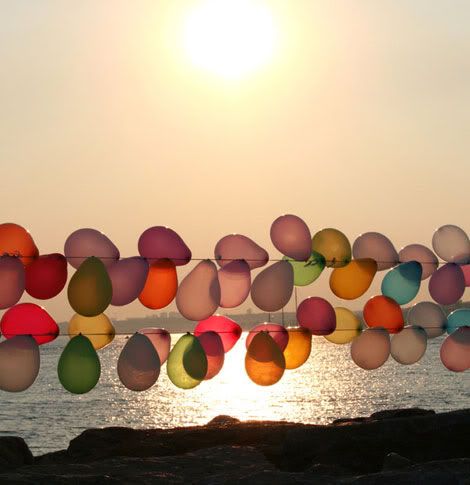
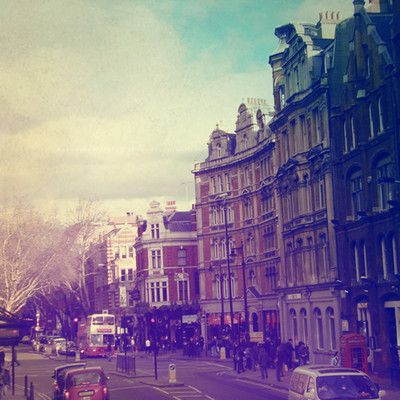
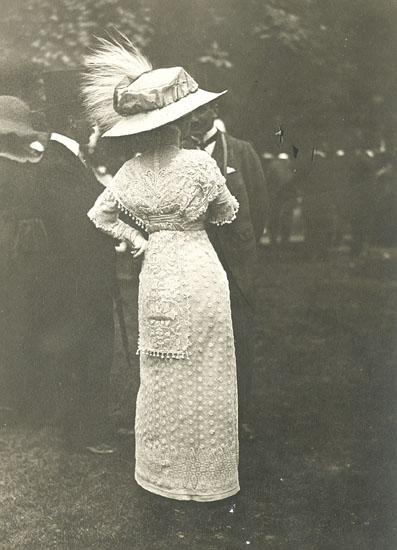
...because sometimes you just need to look at pretty things.
You will become known for doing what you do. This may sound obvious, but it is a useful thing to realize. Many people seem to think they must endure a "rite of passage" which, once passed, will allow them to do the kind of work they want to do. Then they end up disappointed that this day never comes. Find a way to do the work you want to do, even if it means working nights and weekends. Once you've done a handful of excellent things in a given way, you will become known as the person who does excellent things in that given way. And that's the person you want to be, because then people will hire you to be that person.
The personal is powerful. Trust your own experience. It’s the only thing that’s really yours, and that’s really unique. Putting yourself in your work can be powerful.
Do your own thing. If you imitate, you’ll only ever be a bad example of the thing you’re trying to imitate. An artist I like very much, Donald Judd, said that what you have to do is to find the same level of inventiveness as the person you’re trying to imitate. That doesn’t mean you shouldn’t incorporate elements of other people’s work. As Picasso said: “Bad artists copy; great artists steal.” What he meant is that it can be OK to steal an idea from somewhere else, as long as you steal the idea and do something new with it, make it your own, and move on. If you copy it outright you’ll only get stuck in the past.
Ideas are the only things that survive. Execution is important too; a good idea poorly executed probably won’t go anywhere. But if something is going to last, it’s because there’s a good idea at its core. It’s got to start with the idea.
Experience is the only way to learn. Pain, joy, fear, risk, love, firsthand experience. You can learn so much from these things, and the experience will end up affecting your work in ways you don’t even realize. But it’ll be based on a real thing.
Only fools get trapped by tools. Tools exist to serve you. Not the other way around. There is a long-standing unspoken pact between tools and their owners, which says that tools should disappear the moment you stop needing them. This is the way that pencils, hammers, and leaf-blowers behave. But many of our technological devices – iPods, cellphones, laptops, Blackberries – have violated this pact and overstepped their boundary, asserting themselves onto the lives of their owners, becoming constant distractions. Don't let your tools trap you. Tools are not the idea. Tools are tools.
Go outside. It’s important to get away from technology and experience the world. You've got to see your world, see your community, see what's not being said what needs to be said. That’s probably the best way to figure out what you’re going to say. For me at least, it’s impossible to have any good ideas while sitting behind a computer. Ideas come from life. As Hemingway said, “I have to live to work.”
Once you have learned how to speak, what will you say? This is really the central question. If I can leave you with one idea from my talk, this would be it.
--jonathan harris, 2008


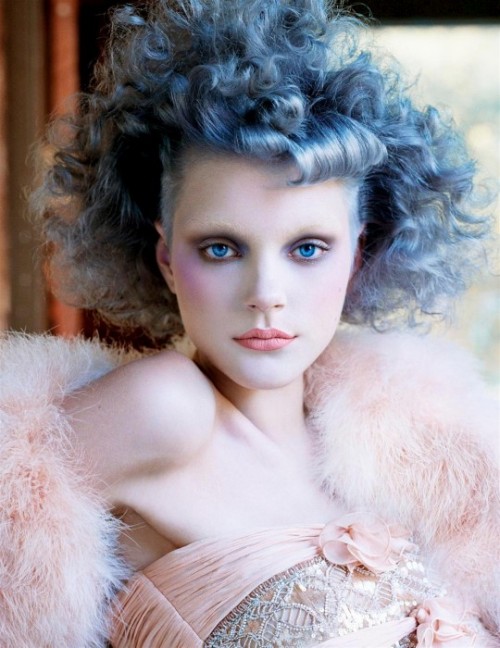


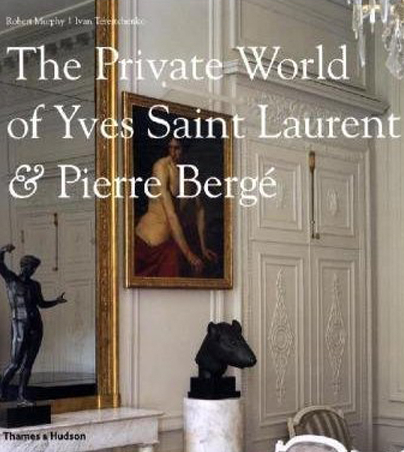
"Those with the most discerning of tastes, will undoubtedly find this tome to be one of the most remarkable documents ever published on Yves Saint Laurent’s private realm.
Pierre Bergé was Yves St Laurent’s lifelong business partner, friend and former lover who collaborated on this lavish volume, which provides a glimpse of the exotic and breathtaking interiors of the worldwide homes they shared and what they collected.
Yves Saint Laurent was more than a designer of clothing – he was, for many, one of the great style arbiters of the twentieth century. His talent made him the youngest and brightest star in the firmament of fashion, first with Christian Dior, who chose him as his successor, and later in his own right as the shy but daring creator of the modern woman’s wardrobe.
His private life was the subject of constant public fascination, and the homes that he shared with Bergé were extraordinary private cocoons of taste and style. Ivan Terestchenko’s photographs – taken after Yves Saint Laurent’s death in 2008 – capture these exquisite surroundings and cultured luxury for the last time.
Yves Saint Laurent and Pierre Bergé amassed an exceptional collection of furniture and paintings over some forty years. It included important works by Picasso, Matisse and Mondrian, Old Master paintings by Goya, Ingres and Géricault, and masterpieces of furniture, sculpture and silver from the Renaissance to Art Deco.
Not a single piece from the collection was sold until the year following Saint Laurent’s death. A historic sale by auction at the Grand Palais in Paris became the stuff of legend months before it even took place.
Beyond the legendary rue Babylone apartment in Paris, the book also chronicles those seven other homes of St Laurent and Berge including the lush Villa Majorelle in Marrakech. Even the most dedicated minimalist will have to bow in respect to the unerring erudition of taste displayed in this seductive parade of nineteenth-century French décor, important paintings by modern and Romantic artists, and masterpieces of furniture, sculpture, and silver ranging from the Renaissance to the Art Deco era. A worthy addition to any aesthete’s library." - Thames and Hudson




 Posts
All Comments
Posts
All Comments


